

Cache Types and Difficulty Ratings Explained
Understanding container sizes, terrain challenges, and what makes each cache unique


What Makes Each Cache Unique
When you're out searching for caches, you'll quickly realize they're not all the same. Some are tiny magnetic boxes hidden under rocks. Others are large ammo cans sitting in plain sight. The variety is actually one of the things that makes geocaching so engaging — there's always something new to discover.
The challenge isn't just about finding where a cache is hidden. It's also about understanding what type of container you're looking for and how difficult the terrain might be. We're going to walk you through the different cache types, what those difficulty ratings really mean, and how to pick caches that match your skill level.
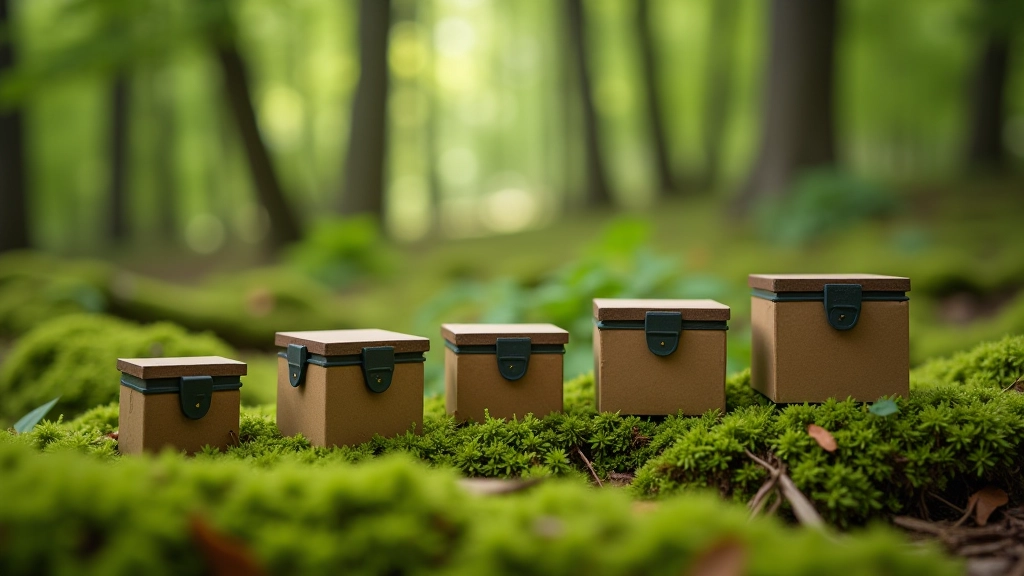
Cache Container Types
Container sizes matter because they affect how visible a cache is and how much room you have to sign the logbook. Let's break down the main categories you'll encounter.
Nano
The smallest caches you'll find. Usually magnetic key holders or film canisters about the size of your pinky finger. They hold only a logbook — no room for trade items. You won't sign your full name here, just initials.
Small
Think matchbox to sandwich bag size. Fits a logbook and maybe a few small trinkets. These are still quite discreet but easier to find than nanos. Popular in urban areas where space is limited.
Regular
A standard plastic container about the size of a lunchbox. Holds logbook, pen, and decent trade items. This is the bread and butter of geocaching — you'll find plenty of these on the trail.
Large
Ammo cans and big plastic bins. Room for lots of goodies and multiple logbooks. These are often placed at trailheads or accessible spots because their size makes them harder to conceal anyway.
Other Types
Letterbox caches, multi-caches that require visiting multiple locations, and puzzle caches that need solving before coordinates make sense. Virtual caches don't have a physical container at all.
Understanding Difficulty and Terrain Ratings
Every cache on geocaching.com has two ratings: Difficulty and Terrain. These numbers (ranging from 1 to 5 in half-point increments) tell you what you're getting into before you start searching.
Difficulty measures how hard it is to find the cache once you're at the location. A 1.5 difficulty means it's in plain sight — under a lamppost or in a park bench. A 4.5 difficulty might involve deciphering a puzzle, using coordinates in a specific way, or spotting something that's incredibly well camouflaged.
Terrain describes the environment and physical demands. A 1 terrain is accessible by wheelchair — paved paths, easy parking. A 4.5 terrain might mean scrambling up rocky hillsides, wading through streams, or navigating dense forest with no marked trail. The terrain rating doesn't say anything about danger, just about the physical challenge to get there.
Pro tip: A cache can have a low difficulty with high terrain (easy to find but tough to reach) or vice versa. A 4 difficulty in someone's living room means the hiding spot is clever, not that the location is remote.
Expand Your Geocaching Knowledge
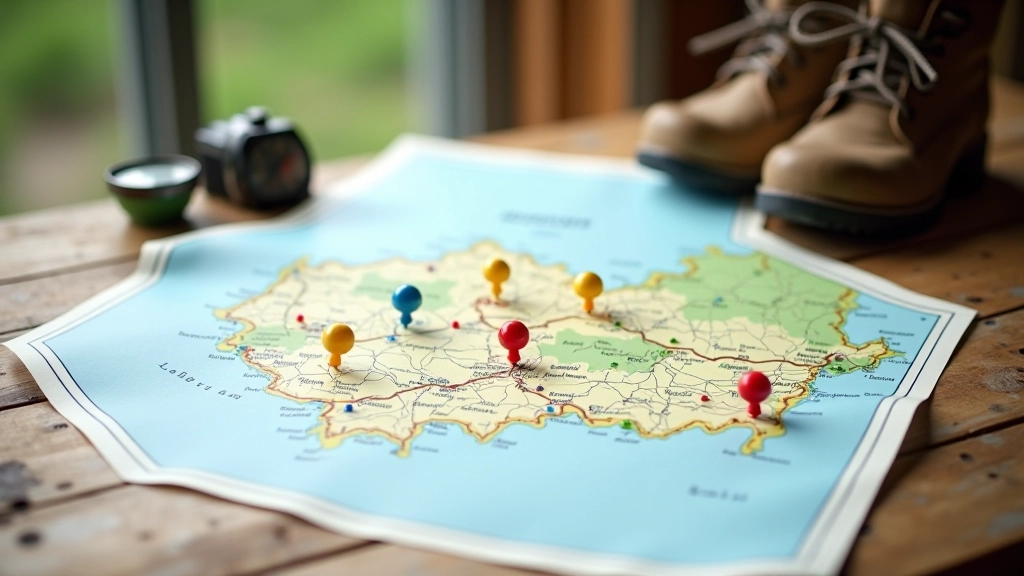
Choosing Caches That Match Your Skill Level
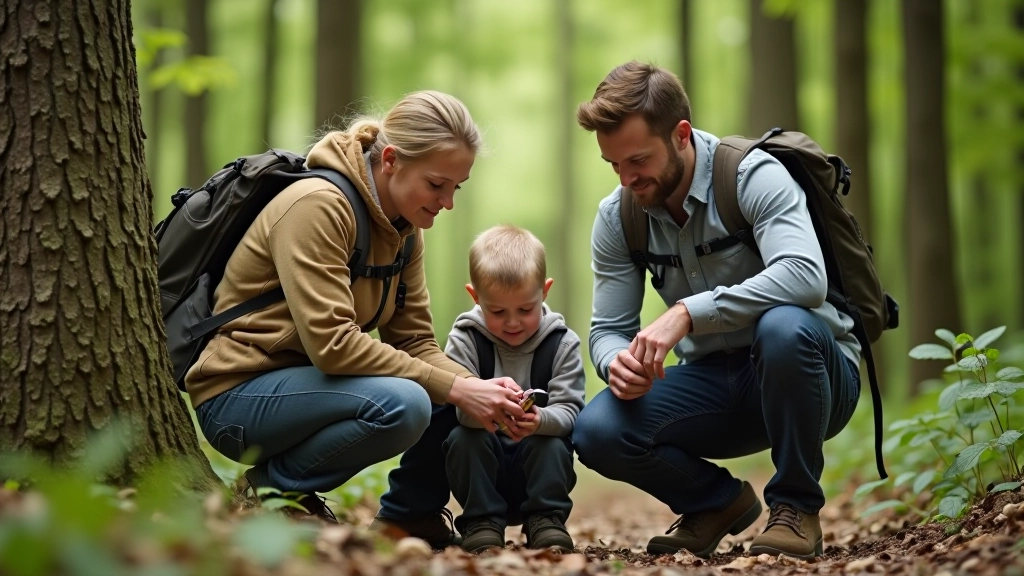
When you're starting out, you'll want to begin with lower ratings on both difficulty and terrain. A 1.5/1.5 cache is perfect for your first few attempts. You're learning how to search effectively and understand what to expect.
After you've found 20 or 30 caches, try something with a 2.5 or 3 difficulty. You'll start recognizing common hiding spots — under fake rocks, inside sprinkler heads, behind loose bark. The skills build naturally as you gain experience.
Don't jump straight to 4.5/4.5 caches. Seriously. Those are often designed by experienced cachers for experienced cachers. You'll spend hours searching for something that might be barely visible or require specific knowledge to locate. It's frustrating when you're learning.
1
Start Small: Stick with 1.0-1.5 difficulty, 1.0-1.5 terrain for your first 10-15 finds
2
Build Skills: Progress to 2.0-2.5 difficulty as you learn hiding techniques
3
Tackle Terrain: Increase terrain difficulty once you're comfortable with physical challenges
4
Experiment: Try different cache types and puzzle variations as your experience grows

About This Guide
This article provides educational information about geocaching cache types and difficulty ratings. Cache ratings and classifications are based on standards from geocaching.com and may vary based on individual cache owner assessments. Difficulty and terrain ratings are subjective — what one person finds challenging, another might consider straightforward. Always check current conditions before visiting any cache location, follow Leave No Trace principles, and respect private property. Geocaching involves outdoor activities that may carry inherent risks. We recommend reviewing safety guidelines and terrain-specific precautions before beginning your search.
Start Your Geocaching Journey
Understanding cache types and difficulty ratings gives you the foundation you need to search confidently. You'll know what to expect before you head out, and you'll be able to pick caches that match your current skill level and physical ability.
The beauty of geocaching is that there's something for everyone. Whether you're looking for an easy urban cache or a challenging wilderness adventure, the ratings system helps you find exactly what you're in the mood for. Start small, learn the patterns, and gradually work your way up to the tougher hides.
Get out there, find some caches, and enjoy the hunt. That's what it's all about.