
Getting Started with GPS Navigation
Master the fundamentals of GPS devices and smartphone navigation apps for your geocaching adventures
7 min read
Beginner
April 2026

Author
Martin Novotný
Senior Geocaching Specialist
Senior Geocaching Specialist with 16 years of experience designing GPS adventure trails and educational treasure hunt routes across Czech Republic.
Why GPS Navigation Matters
GPS navigation is the backbone of geocaching. Whether you're using a dedicated GPS device or your smartphone, understanding how these tools work makes the difference between finding that elusive cache and walking past it. We're not talking about complex technical knowledge — just the practical skills you'll actually use in the field.
This guide covers what you need to know to get started confidently. You'll learn how GPS accuracy works, why it matters, and which tools work best for different situations. Most importantly, you'll understand the practical techniques that experienced geocachers rely on.
Understanding GPS Accuracy
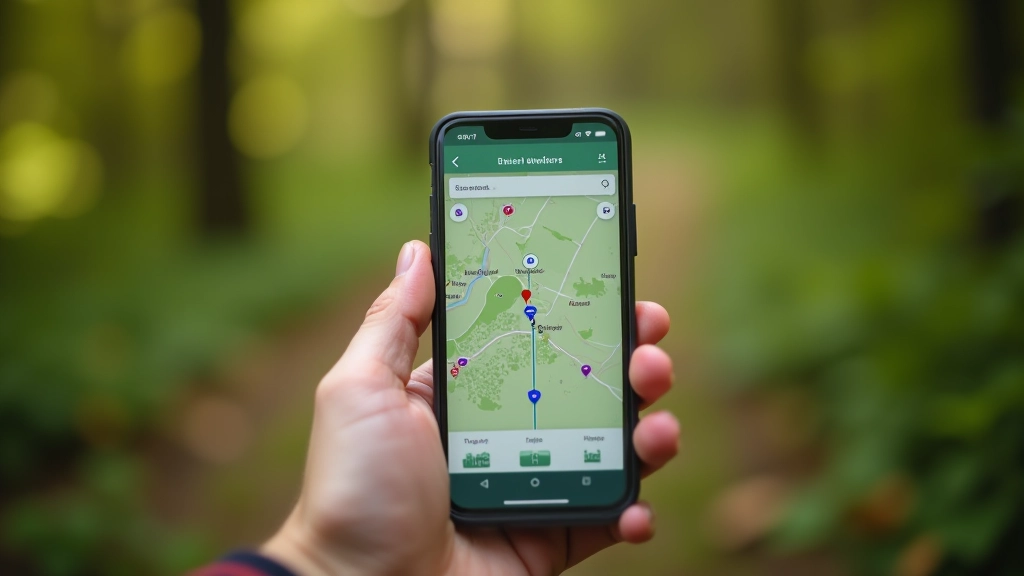
GPS accuracy isn't always what people think. Your device might say it's accurate to 5 meters, but that's not a perfect circle. It's more like a zone of uncertainty that changes based on satellite visibility, terrain, and weather conditions.
In open areas with clear sky, you'll get better accuracy — sometimes within 2-3 meters. In forests or near buildings, expect 10-20 meter variations. This matters when you're searching for a cache. A 15-meter accuracy zone is a big area to search.
Key point: Don't expect your GPS to lead you directly to the cache. Use it to get close, then use your eyes and common sense to search the immediate area.
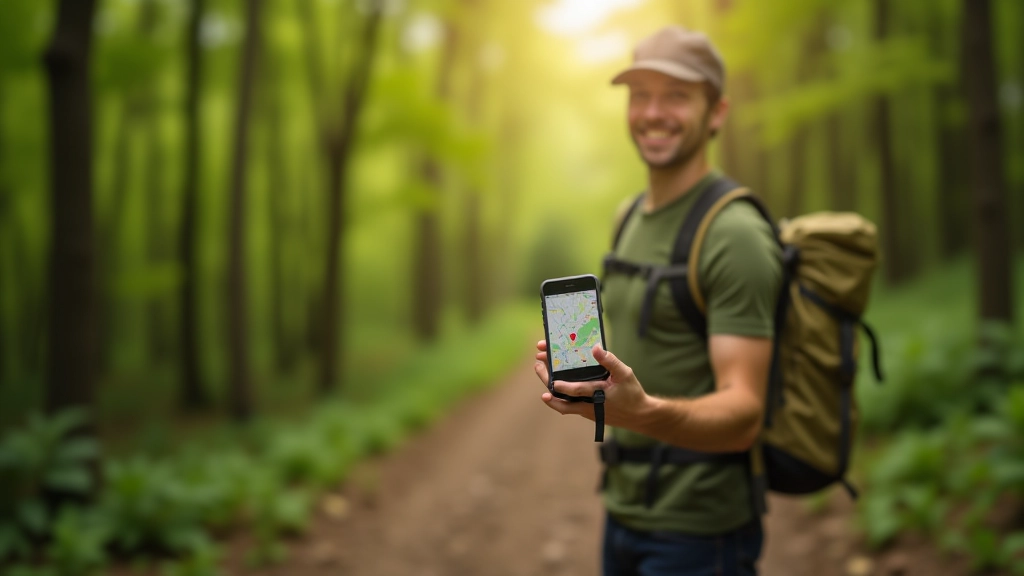
Smartphone Apps vs. Dedicated Devices
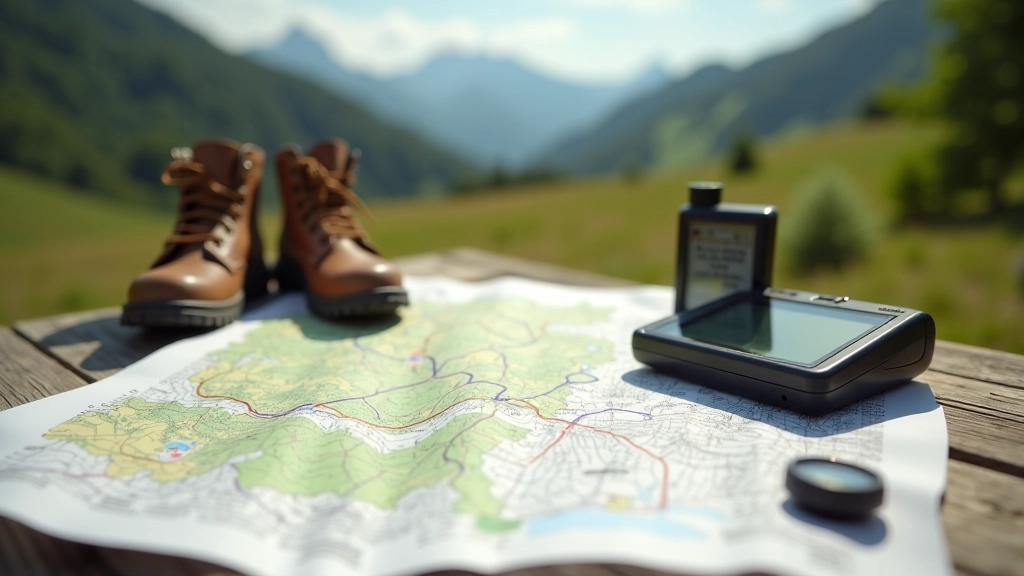
Most geocachers start with their smartphone. Apps like Google Maps or specialized geocaching applications work well and don't require additional investment. The downside? Battery drain and potential for distractions.
Dedicated GPS units like Garmin handhelds offer better battery life (8-20 hours versus 3-6 hours on phones) and more detailed topographic maps. They're tougher in harsh weather too. But they're more expensive and need regular map updates.
- Smartphone: Always have it, easy setup, needs charging daily
- Dedicated GPS: Better battery, detailed maps, separate investment
- Hybrid approach: Use smartphone as primary, bring spare battery pack
Educational Note
This article provides educational information about GPS navigation basics for geocaching. GPS accuracy and performance vary based on environmental conditions, device specifications, and individual circumstances. Always check your device's documentation for specific features and accuracy ratings. When geocaching, respect private property, follow local regulations, and prioritize safety during outdoor activities.
Practical Navigation Techniques
1
Waypoint Marking
Before you head out, mark your starting point and any landmarks. This gives you reference points to navigate from and helps if you need to backtrack. It's simple but incredibly useful in unfamiliar terrain.
2
Baseline Navigation
Don't just follow the GPS arrow blindly. Look at the map, understand the terrain, and plan your route. Navigate to nearby landmarks rather than directly to coordinates. You'll move faster and more confidently.
3
The Final Approach
When you're within 10-15 meters of coordinates, put the GPS down. Use your eyes and experience. Look for disturbed ground, unnatural placements, or anything that doesn't belong. GPS gets you close; skills get you the find.
These three techniques form the foundation of efficient geocaching navigation. You'll develop your own style as you gain experience, but these principles stay constant.
Expand Your Knowledge
Discover more about geocaching and outdoor navigation

Cache Types and Difficulty Ratings Explained
Understanding the different geocache container types, from magnetic nano caches to large ammo boxes.
Learn More
Popular Geocache Routes and Hidden Spot Discovery
Explore established geocache trails across Czech regions including Bohemia and Moravia.
Learn MoreStart Your GPS Navigation Journey
You don't need expensive equipment or advanced technical knowledge to start geocaching. A smartphone with a maps app and these fundamental GPS skills are enough to find hundreds of caches. The key is understanding that GPS gets you into the ballpark, but real geocaching skills — map reading, terrain awareness, and patience — get you the find.
Pick your preferred device, download a geocaching app, and head out on your first adventure. You'll refine your techniques with every cache you find. That's where the real learning happens.